
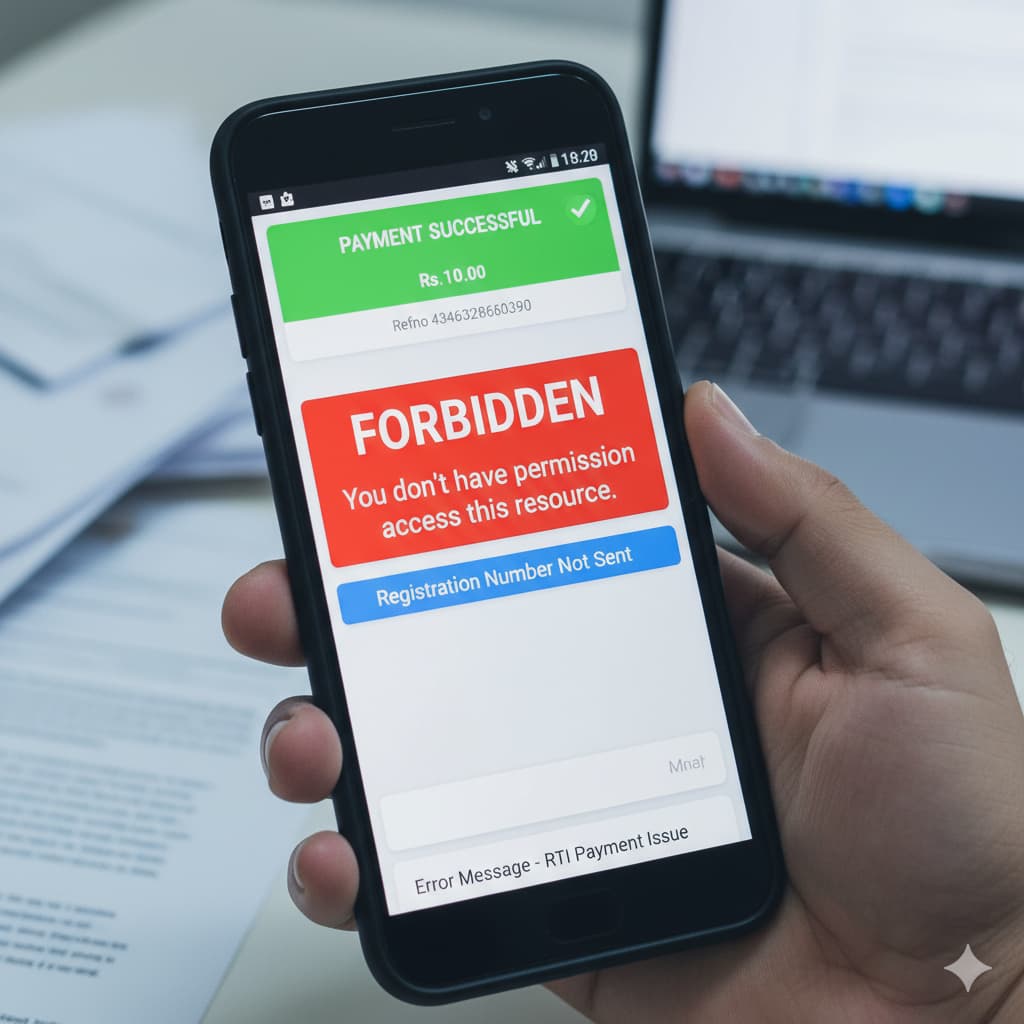
Payment Success, Error Message: A Frustrating Tale of Digital Bureaucracy
The Digital Divide: When Online Payments Go Awry, this is a frustrating tale of digital bureaucracy that many have experienced, highlighting the increasingly complex nature of online transactions in our tech-driven world.
As consumers, we often find ourselves navigating a maze of digital platforms, each with its own set of rules and regulations, which can lead to unexpected hiccups. From payment gateways malfunctioning to delayed transactions, the challenges can feel insurmountable.
Moreover, the lack of effective communication from service providers exacerbates these issues, leaving individuals feeling helpless and disenfranchised.
This digital divide not only affects personal finances but can also have broader implications for businesses, especially small ones, that rely heavily on seamless payment systems to thrive in a competitive market.
In an age where digitalisation often touts itself as the solution for efficient governance, similar experiences reveal consistent frustrations. Mahesh Pratap Singh Yogi M P Singh repeatedly faces such frustration. He encounters a debilitating system error after a successful payment. On December 11, 2024, he tries to finish an online RTI application. It is part of a lengthy and frustrating digital bureaucracy tale. He encounters an immediate and stark error. This adds to his ongoing struggle with the frustrating tale of digital bureaucracy.
The Error and the Evidence reflects Frustrating Tale of Digital Bureaucracy
The core of the issue lies in the contradiction between the system’s failure and the financial success of the transaction.
- The Error: Promptly after the payment, the screen displayed a “Forbidden: You don’t have permission to access this resource” message. This added to the frustrating tale.
- The Proof of Payment: The applicant confirmed the successful payment of the fee. They provided a clear SBI UPI debit message for ₹10.0, referencing the transaction to ‘SBIMOPS’ with Ref No. 434632860390.
We are missing the final registration number and lack confirmation of the RTI application, even though we completed the payment. The payment was successful, but the application remains in a digital limbo — an ongoing saga of frustrating digital bureaucracy.
The RTI Context: Seeking Clarity on Scholarship Portal Issues
The email, sent to both the RTI-Online helpline and the Chief Minister’s office, was not merely about a payment error. It was a formal RTI application that aimed to delve deeper into systemic issues impacting beneficiaries.
The application sought crucial information about a persistent failure on the “Scholarship and Fee Reimbursement Online System, which has become a notorious example of inefficiencies in public service delivery.
This system is not just a digital interface; it is a symbolic representation of the frustrating tale many experience in digital bureaucracy, where countless individuals find themselves entangled in an endless loop of technical glitches and unresponsive support.
These obstacles not only delay the disbursement of funds but also exacerbate the stress of those who rely on these scholarships for their education, leaving them feeling powerless and disillusioned.
The applicant referenced a previous “REQUEST DISPOSED OF” status. The registration number is DIRSW/R/2024/60158. They received a generic response about the scholarship portal’s temporary closure. The response also included information about its subsequent fix, further contributing to a frustrating tale within digital bureaucracy.
The Scholarship Portal Saga: Unanswered Questions
A student named Bhoomika Singh prompted the RTI request due to a critical issue she faced regarding her scholarship application process. Despite fulfilling all the necessary requirements and submitting her application on time, she encountered significant delays that seemed to stem from persistent server issues.
These technical difficulties not only hampered her ability to track her application status but also caused her immense stress and anxiety as the scholarship was essential for her continued education.
In light of these challenges, Bhoomika felt compelled to formally seek information and clarity through the RTI mechanism, hoping to resolve the matter amicably and expedite the processing of her vital application.
This situation highlights the broader implications of relying on technology in educational processes and the need for robust systems to support students effectively.
- The NPCI Glitch: On November 20, 2024, the student’s bank account successfully ‘seeded’ her Aadhaar. However, the online scholarship application displayed the critical status: “Status not received from NPCI server” as of November 22, 2024, reflecting a frustrating encounter with digital bureaucracy.
- The Request for Accountability and Reason: The RTI application demands answers to five specific points, including:
- Name and designation of the public staff monitoring the Scholarship Website.
- The reason for the “Status not received from NPCI server” for an entire month. (The right to reason being an ‘indispensable part of sound administrative system’).
- Minutes of proceedings and action taken for students who completed formalities. Some students could not print the application due to website/NPCI server failure.
- Name and designation of personnel monitoring the scholarship in the Social Welfare Department.
- Funds spent on the maintenance and update of the scholarship website for the financial years 2021-22, 2022-23, 2023-24, and 2024-25.
CM Office Response: A Plea for Protocol
The Chief Minister’s Office responded swiftly but directed the applicant to use alternative channels instead of the official email, leaving them with a sense of bewilderment.
The office memo explains that it does not acknowledge complaints sent via email, citing concerns over the overwhelming volume and lack of tracking for such submissions.
In an effort to streamline the process and enhance efficiency, it advised the applicant to utilize the official ‘Jansunwai-Samadhan’ online portal or its mobile app for a quick resolution of public grievances.
This recommendation highlights a growing reliance on digital platforms while hinting at an additional layer in the frustrating tale of digital bureaucracy, where citizens must now navigate an ever-increasing array of tools and interfaces just to have their voices heard in a system designed for accessibility yet fraught with its own complexities and challenges.
The Unresolved Challenge
The applicant now faces a dual dilemma:
- The Immediate Error: Confirming the payment for the new RTI application. You will receive the official registration details. You submitted it through the RTI-Online system amidst this frustrating saga of digital bureaucracy.
- The Core Grievance: We must guarantee that we successfully register the new RTI. It seeks accountability and reasons for the ‘NPCI status‘ and website failures. We should finish the registration within the stipulated 30-day period. We must also address these issues. This highlights a frustrating tale of digital interaction.
This incident clearly calls for seamless integration between payment gateways and application portals. A robust system is necessary to acknowledge successful financial transactions even when application processing fails. Furthermore, it underscores the need for greater transparency about how critical government-run digital platforms function and are maintained.
Dilapidated RTI portal, repeated message of redress of appeal sent on registered email
In Gujarat model RTI fee is paid and RTI draft is available but grievance number is not sent


Facing a similar challenge? Share the details in the box below, and our team of experts will do their best to help.