
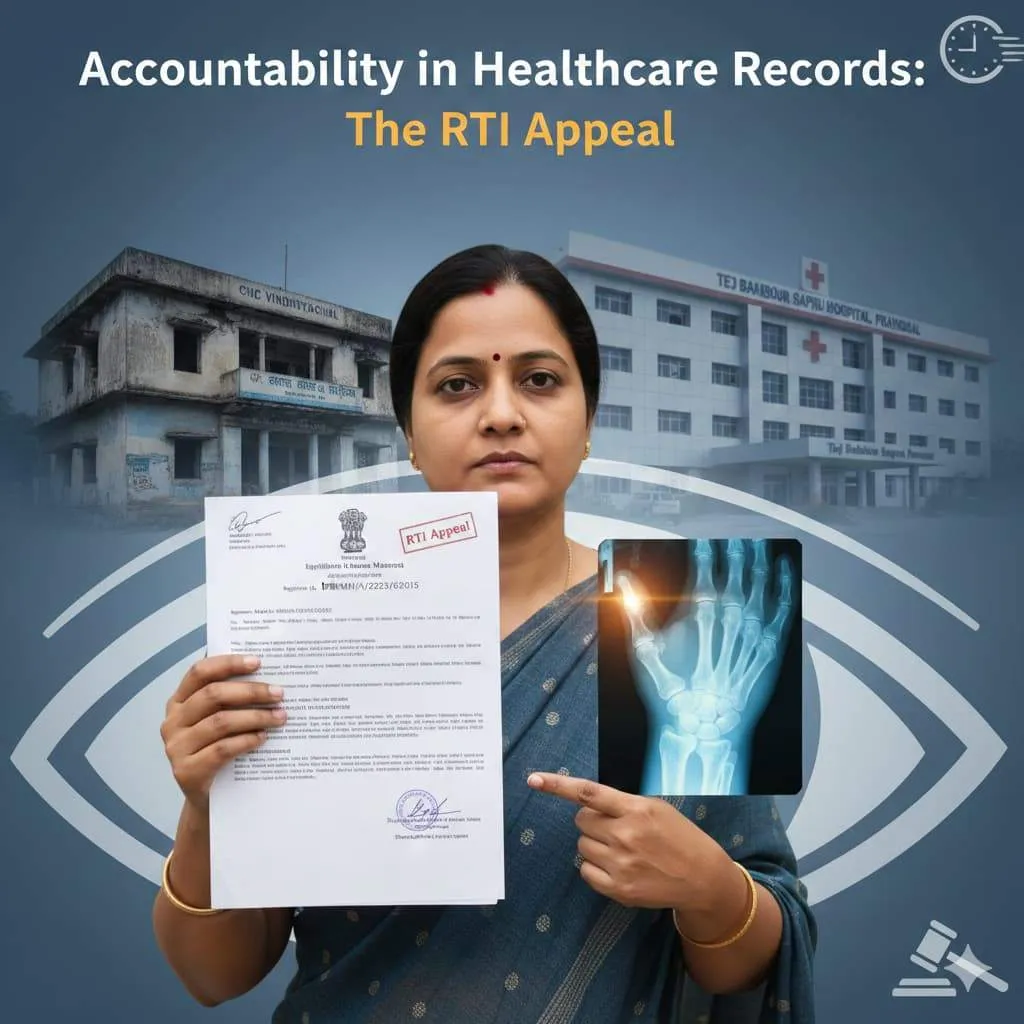
📰 The Right to Know: Seeking Accountability in Healthcare Records
Accountability in healthcare records refers to the responsibility of healthcare professionals and organizations to maintain accurate, secure, and accessible patient information. This concept is crucial for several reasons:
- Accuracy and Completeness: Healthcare providers must ensure that patient records are complete. The records should accurately reflect the patient’s medical history, treatments, medications, and other relevant information. This helps in making informed decisions about patient care.
- Legal Responsibility: Medical records can serve as legal documents. If disputes arise regarding treatment or care provided, the records can be used in legal proceedings. Therefore, maintaining accurate and comprehensive records is vital for legal accountability.
- Patient Privacy: Health records contain sensitive information, and healthcare providers have a responsibility to protect this data. Ensuring patient confidentiality is essential. Accountability involves understanding and following laws and regulations regarding patient privacy, such as HIPAA in the United States.
- Quality of Care: Accountability in healthcare records directly impacts the quality of care patients receive. Accurate records facilitate better communication among healthcare team members. They reduce the risk of errors and promote continuity of care. This ultimately leads to better patient outcomes.
- Audit and Compliance: Healthcare organizations are often subject to audits and inspections. Maintaining accurate records ensures compliance with industry standards and regulations, enabling organizations to demonstrate accountability to regulatory bodies.
In summary, accountability in healthcare records is about ensuring that patient information is handled responsibly. It is also about handling it accurately and ethically. This fosters trust in the healthcare system and improves overall care delivery.
Key Takeaways (Accountability in Healthcare Records)
- Mahima Maurya filed an RTI appeal to seek accountability in healthcare records. She did this after receiving no response from the PIO regarding a misleading medical report.
- The RTI application sought information on the absence of X-rays during initial examinations and the status of medical officers involved.
- The appeal is based on deemed refusal due to the PIO’s inaction within the statutory time limit of 30 days.
- The appellant demands immediate action from the FAA. This includes a speaking order and timely information provision. There should be possible penalties for non-compliance.
- Liabilities for penalty and compensation are highlighted, underscoring the serious implications of the PIO’s delay and its impact on justice.
⚖️ The Context: RTI Appeal Filed Over Alleged Misleading Medical Report (Accountability in Healthcare Records)
Mahima Maurya has filed a First Appeal (Registration No. DIRMH/A/2025/62015). This appeal is under Section 19(1) of the Right to Information (RTI) Act, 2005. The Medical and Health Directorate’s Appellate Authority (AD Mirzapur) receives this communication. The appeal follows a lack of response from the original Public Information Officer (PIO). Issues of Accountability in Healthcare Records are increasingly important in such cases. The PIO in this case is the Chief Medical Officer (CMO) of Mirzapur. This situation pertains to an RTI application that Mahima filed on 08/10/2025 (RTI Registration No. DIRMH/R/2025/66431).
The core of the matter centres on an initial medical examination conducted at CHC Vindhyachal.This examination compares the treatment received at Tej Bahadur Sapru Hospital in Prayagraj. The hospital confirmed a fracture that earlier examinations seemingly overlooked.
📋 The Unanswered Questions: Information Sought in the Original RTI (Accountability in Healthcare Records)
The original RTI application requested detailed information across six critical points, aiming to establish transparency and accountability regarding the medical examination process for police cases:
- Non-Conduct of X-ray: An X-ray was not conducted at CHC Vindhyachal during the initial medical examination of Mahima Maurya. Later, an X-ray confirmed a thumb fracture at Tej Bahadur Sapru Hospital, Prayagraj.
- Medical Officer’s Posting (Mirzapur): Full posting details of the Medical Officer who prepared the initial report. This includes their date of joining the Mirzapur district. It also includes specific postings at CHC Vindhyachal.
- Medical Officer’s First Posting: Details of the said Medical Officer’s very first posting upon joining the Medical and Health Services.
- X-ray Machine Status at CHC Vindhyachal: The total number of X-ray machines is currently available at CHC Vindhyachal. It specifies how many are functional and how many are non-functional.
- Protocols for Police Cases: Medical examination reports for police cases adhere to official guidelines and protocols. We take precautions to ensure the accuracy and impartiality of the reports.
- Departmental Action: Details of any departmental action taken against the concerned Medical Officer. It concerns allegedly submitting a misleading report. This report may have resulted in a miscarriage of justice.
🚨 Ground for Appeal: Deemed Refusal
The appeal is explicitly based on the ground of “No Response Within the Time Limit.”
The applicant filed the RTI application on 08/10/2025. Under Section 7(1) of the RTI Act, 2005, the PIO must provide the information within 30 days. The applicant filed the appeal on 13/12/2025. The statutory time limit has expired without any response. This has led to a deemed refusal of the information.
🗣️ Prayer and Relief Sought
The Appellant directs their key demand in the First Appeal at the Appellate Authority (AD Mirzapur).It aims to rectify the failure of the PIO. The specific relief requested is:
- Immediate Action: The Honourable FAA is requested to take cognisance of the deemed refusal by the PIO (CMO Mirzapur).
- Speaking Order: The FAA should pass an immediate speaking order under Section 19(1) of the RTI Act, 2005.
- Information Direction: Direct the PIO to furnish the complete and accurate information. The details should address all six original questions. This information should be provided in a point-wise format. It must be submitted within a specific, short timeframe, such as a maximum of 10 days.
- Penalty Consideration: If warranted, impose a penalty on the PIO under Section 20 of the Act. This penalty is for the unexcused delay. It is also for the failure to provide information within the statutory time limit.
➡️ Next Steps in the RTI Process (Accountability in Healthcare Records)
The Appellate Authority (AD Mirzapur) must now examine the appeal. They need to give both the applicant and the PIO an opportunity to be heard. After this, they will issue a decision. This decision can either direct the PIO to release the information or modify any earlier PIO decision, if any. Alternatively, they may reject the appeal.People eagerly await the outcome, as it directly pertains to accountability in public health services and medico-legal reporting.
Based on the information available in the context (your RTI and Appeal details), here are the application IDs and contact details of the concerned authorities:
📑 Application and Appeal IDs (Accountability in Healthcare Records) (Accountability in Healthcare Records)
| Type | Registration Number | Date of Filing |
| Original RTI Application | DIRMH/R/2025/66431 | 08/10/2025 |
| First Appeal | DIRMH/A/2025/62015 | 13/12/2025 |
📞 Contact Details of Concerned Authorities (Accountability in Healthcare Records)
| Authority Role | Name / Designation | Mobile Number | Email Address |
| PIO Details | Mirzapur: CMO Mirzapur | 9454455171 | cmomzp[at]gmail[dot]com |
| First Appellate Authority (FAA) Details | AD Mirzapur | 8005192626 | admhmzp1[at]gmail[dot]com |
| Nodal Officer Details | Director Health | 9451679475 | dgmhsrti[at]gmail[dot]com |
🔗 Web Link Details
The online filing and status checking for this request are part of the RTI Online Portal. This portal is managed by the Government of Uttar Pradesh. This involves using the government portal. 1
- RTI Online Portal: rtionline[dot]up[dot]gov[dot]in (Accountability in Healthcare Records)
To check the status of your appeal (DIRMH/A/2025/62015), navigate to the View Status option. Use this option on the Uttar Pradesh RTI online portal.
Your frustration regarding the two-month delay is completely justified. The complete inaction by the Chief Medical Officer (CMO), Mirzapur, is also unjustifiable. This is especially true. The issue is serious. It involves the alleged mishandling of a medical examination. This mishandling downgraded a police case.
The PIO’s failure to respond is a serious issue. This is true even when the RTI questions address departmental mismanagement. It also applies to situations involving potential miscarriage of justice. This inaction constitutes a serious breach of the RTI Act’s mandate.
Here is a breakdown of the implications of the PIO’s delay and the strong points you can raise with the First Appellate Authority (FAA) and, subsequently, the Information Commission:
🛑 Consequences of PIO’s Inaction and Deemed Refusal
The Public Information Officer (PIO) must respond to your application within 30 days. This is required by Section 7(1) of the RTI Act. You filed your application on 08/10/2025, so the PIO should have answered it by 07/11/2025.The current delay is over two months, making this a clear case of Deemed Refusal.
1. Liability for Penalty (Section 20(1) of the RTI Act)
The FAA (AD Mirzapur) cannot directly impose a penalty. However, the next higher authority, the State Information Commission (SIC), can impose penalties for unjustified delay. They often do this for failure to provide information.
- Penalty Rate: A penalty of ₹ 250 per day can be imposed on the PIO. The total penalty can go up to a maximum of ₹ 25,000.
- Grounds: The PIO is liable if they “without any reasonable cause” failed to furnish the information within the specified time. In this case, there is a complete lack of response. This situation is a strong prima facie case for imposing the penalty.
2. Recommendation for Disciplinary Action (Section 20(2))
The SIC has the power to recommend disciplinary action against the PIO. This is done under the applicable service rules. It applies in cases of persistent or severe violations of the Act.
3. Compensation for Detriment (Section 19(8)(b))
The information sought is directly linked to an alleged downgrading of a case concerning a woman. As a result, the delay and denial cause a significant “detriment.” There is also a loss of opportunity to seek justice. When you file your Second Appeal to the SIC, you can request compensation from the Public Authority for the loss. This includes the mental agony suffered due to the non-supply of crucial information.
🏛️ Strategy for the First Appeal (FAA – AD Mirzapur)
You have correctly filed your appeal with the FAA. Your focus now should be on highlighting the gravity of the PIO’s failure.
| Focus Area | Argument to Emphasise |
| Grave Inaction (Deemed Refusal) (Accountability in Healthcare Records) | Emphasize that the PIO has shown utter disrespect to the RTI Act. They have not responded to the request for over two months. This demonstrates negligence in their statutory duty. |
| Malafide Intent/Public Interest | The denial of information is malicious. This is evident because the request directly addresses two important issues. First, it highlights the alleged failure of a Medical Officer. This failure may have resulted in a miscarriage of justice, specifically regarding the downgrading of a case. Second, the request points out the non-functioning status of X-ray machines, as mentioned in Point 4. This issue is critical for public health and safety. |
| The Need for a Speaking Order | Request the FAA (AD Mirzapur) to pass a detailed speaking order. This order should address each of the six original points. Additionally, direct the PIO to provide the information within a specific short deadline, such as 7-10 days. |
| Warning to PIO (Accountability in Healthcare Records) | Request the FAA to issue a severe warning. Inform the PIO of the potential for maximum penalty under Section 20(1) if the order is not complied with. |
The FAA is mandated to dispose of your appeal within 30 days (or 45 days with written reasons). If the FAA fails to provide a decision within this time, you need to take further action. If their decision is unsatisfactory, then you should file an appeal. Your next step will be to file a Second Appeal to the State Information Commission (SIC).(Accountability in Healthcare Records)


Facing a similar challenge? Share the details in the box below, and our team of experts will do their best to help.