
RTI & Transparency: What Happened to the Voluntary Asset Declaration by UP Provincial Civil Servants?
The promise of transparency often hinges on the voluntary actions of public servants, which include initiatives like Voluntary Asset Declaration. A case filed under the Right to Information (RTI) Act in Uttar Pradesh highlights the journey of an information seeker who is driven by a deep concern for accountability and integrity within the public service sector.
This individual attempts to uncover the practical implementation of a public statement made by Chief Minister Yogi Adityanath, which is aimed at fostering greater transparency within the ranks of government officials. The statement concerns the voluntary disclosure of assets by Provincial Civil Service (PCS) officers and their families, a move that is intended to instill public trust and ensure that officials are held to the highest ethical standards.
As the information seeker navigates the often complex web of bureaucracy, their quest not only reveals potential gaps in compliance but also underlines the importance of civic engagement in holding public servants accountable for their commitments to transparency and responsible governance.
This journey is emblematic of the broader challenge faced by citizens in asserting their rights and demanding clarity in public administration.
The appeal was, filed after a starting RTI application. It sheds light on the complex process. This process involves obtaining concrete evidence about such policy pronouncements. It focuses particularly on the asset declaration that is voluntary in nature. This step is crucial for ensuring transparency through properly declaring assets.
The Information Sought about Voluntary Asset Declaration: From Public Statement to Government Order
The core of the RTI appeal, filed by Yogi M P Singh, revolved around three key questions that aimed to uncover the truth behind the unfolding issues.
These questions were meticulously crafted to address the various facets of the situation, seeking clarity on the parameters of the investigation, the accountability of the involved parties, and the mechanisms in place for reporting and addressing grievances.
By posing these inquiries, the appeal not only highlighted the complexities of the case but also underscored the urgent need for transparency and accountability within the system.
- Copy of the circular/government orders/office memorandums issued for the voluntary disclosure of assets.
- Name and designation of subordinates of the Honourable Chief Minister who declared their property voluntarily.
- Details of the strategy to ascertain the success of this “pious campaign” of voluntary disclosure.
This inquiry was triggered by a public statement from the Chief Minister about Voluntary Asset Declaration. The statement was about increasing transparency by making asset declaration mandatory for PCS officers. This requirement is similar to what is expected from IAS officers. The appellant was clearly frustrated. He expressed concern over “anarchy in the state”. He also noted the lack of seriousness in responding to his query about the procedures related to voluntarily declaring assets being a reality, particularly those of declaring assets voluntarily.
The Official Response: A Trail of Transfers and Referrals
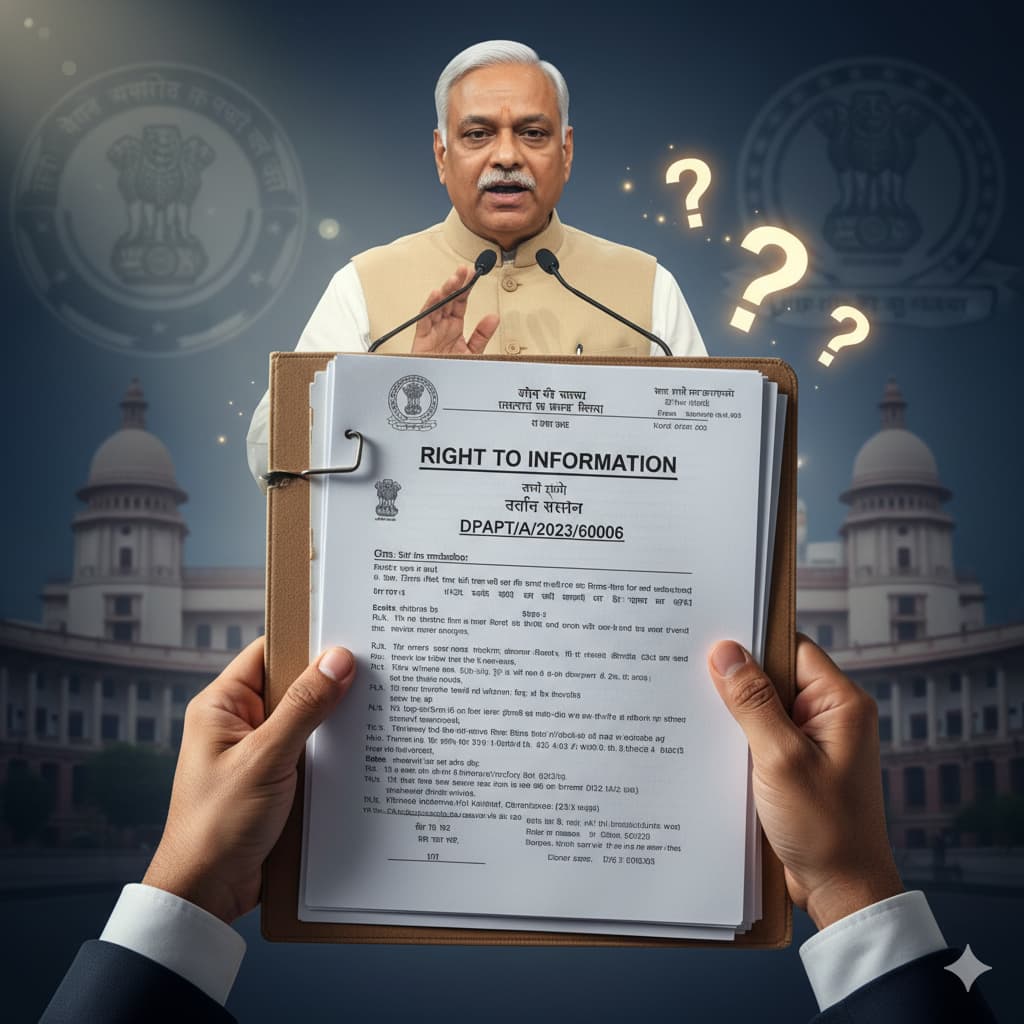
The official record of the appeal bears Registration Number DPAPT/A/2023/60006. It reveals a process that technically follows the law and adheres to established guidelines.
Yet, it ultimately led to a disposition without providing the specific documents and names requested about the asset declaration process, causing significant frustration among those seeking transparency.
Despite the relentless pursuit for clarity and accountability, the voluntary asset declaration by certain civil servants remains shrouded in bureaucratic procedures, creating an atmosphere of confusion and skepticism.
The lack of accessible information not only undermines public trust but also fuels speculation regarding the integrity of those in positions of power.
This intricate web of regulations and procedures has made it exceedingly challenging for the public to understand the full scope of asset declarations, further complicating the efforts made to ensure ethical conduct within the civil service.
- Initial PIO Response (dated 23/08/2022 and earlier appeals): The information for IAS officers was, already declared to be available online. This information is on the Government of India website dopt.gov.in. This availability is, mandated by the All India Services (Conduct) Rules, 1968. This addressed the part of the original query about IAS officers. However, it sidestepped the core issue of PCS officers and the voluntary asset declaration circulars.
- First Appellate Authority (FAA) Order (dated 12/12/2022 and earlier appeals): The first appeal about a previous RTI application was, handled. It was, disposed of with the same information. It directed the applicant to the dopt.gov.in website for IAS property details. The specific query about PCS officers’ voluntary declaration circulars remained unanswered.
- Final Appeal Disposal (Dated 16th August 2023): The appeal had the registration number DPAPT/A/2023/60006. It was, formally handled by the First Appellate Authority (FAA). The disposal occurred on 17/10/2025. The reply stated:
- The matter’s information was, previously sent via the letter dated 23-08-2022 (referring to the dopt.gov.in link for IAS officers).
- “No other information is available in this section (Appointment Section-5).”
- The request has been, transferred to the Public Information Officer, Appointment Section-2. It has also been, sent to the Public Information Officer, Chief Minister’s Office. They need to take action as per the rules on the points related to their sections or departments, and this includes issues regarding voluntary asset disclosure formalities.
The Lingering Question: Policy vs. Paperwork
Fist part explanation
The official disposal of the appeal reveals a crucial challenge in public transparency. There is a gap between a high-profile policy announcement and the concrete, traceable government orders. Circulars or records confirming its implementation are often missing, especially in terms of declaring assets voluntarily. This renders the asset declaration process less transparent.
Second part explanation
Reports indicate that the UP government later mandated the declaration of assets for all employees on the ‘Manav Sampada Portal. The deadlines are in 2023 and 2024. The specific documents sought by the appellant remain elusive in the file of the disposing department. These documents are about the initial ‘voluntary disclosure’ and ‘strategy’, which include the discussions on Voluntary Asset Declaration.
Third part explanation
The outcome of this RTI appeal raises significant questions for the public and administration alike:
- Where is the specific circular implementing the Chief Minister’s public statement? It concerns voluntary asset disclosure by PCS officers and their families.
- Did the policy stay an oral directive? Were the relevant documents not traceable within the first Public Authority’s specific section?
- Will the other departments to which the inquiry was transferred give the requested information? These departments include Appointment Section-2 and the CM’s Office. This action would finish the transparency trail of voluntary asset declaration conclusions.
The citizen’s journey for accountability continues to make sure Voluntary Asset Declaration. It demonstrates the vital role of the RTI Act in pushing for administrative clarity. This happens even when faced with official bottlenecks. The public awaits the final word on the documents that formalise the campaign for honesty, which includes detailed records of the voluntary declaration of assets in the governmental domain.
Chief minister office forwarded R.T.I. Application to three other departments
If Yogi Adityanath government has neglected to ask Arvind Mohan to declare assets
Media speculation of Yogi Aditya Nath regarding voluntary disclosure of assets by P.C.S. and their family members flapped perfectly


Facing a similar challenge? Share the details in the box below, and our team of experts will do their best to help.