
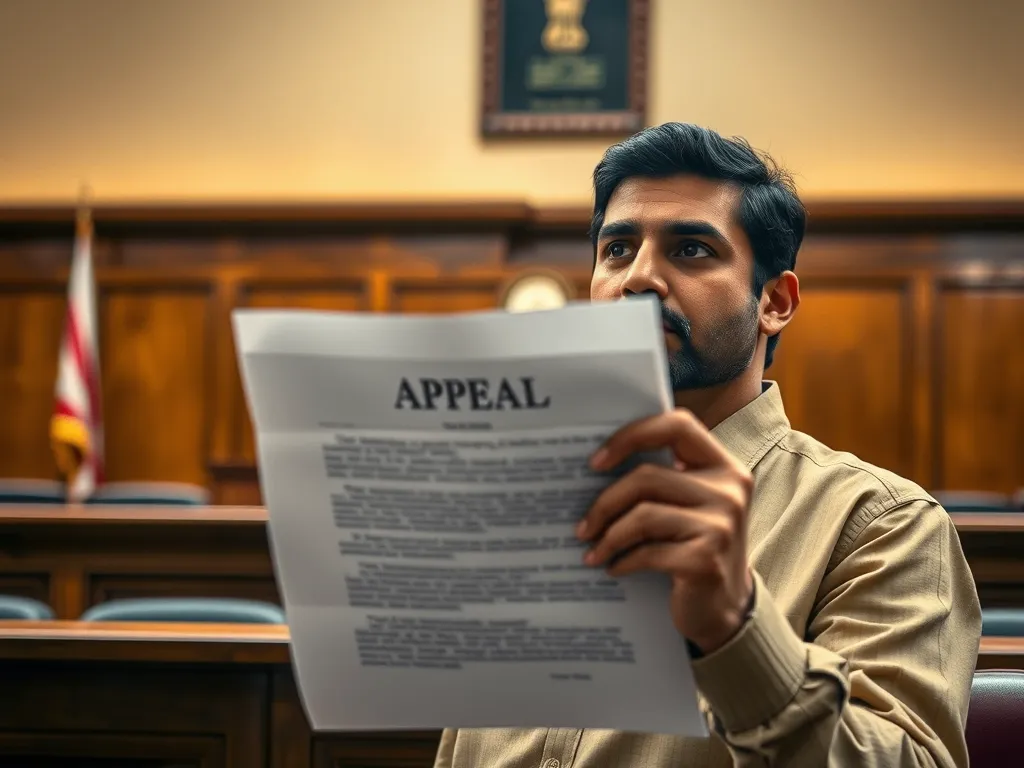
🛑 UPIC Showdown: Prayagraj Nagar Nigam PIO Faces Heat for Alleged RTI Non-Compliance
The Right to Know Denied: An RTI Battle Against Bureaucratic Silence
The Right to Information (RTI) Act, 2005, is India’s most powerful tool for ensuring public transparency and accountability. However, the case of appellant Indradev Yadav against the Public Information Officer (PIO), Nagar Nigam, Prayagraj, highlights a disturbing pattern of alleged bureaucratic disregard for this fundamental right.
Mr. Yadav’s journey for information has escalated to the highest state authority—the Uttar Pradesh Information Commission (UPIC)—after repeated attempts at the municipal level were met with silence.
The Information Sought: Posting Details and Transfer Policy Compliance
On January 22, 2025, Mr. Yadav filed an RTI application seeking information that he believes is in the “larger public interest.” The core requests centered on the human resources and operational transparency of the Prayagraj Nagar Nigam:
- Employee Posting Details: Comprehensive posting history (date of joining, duration, first posting, and CUG numbers) for Class I, II, III, and IV employees.
- Transfer Policy Compliance: Step-by-step implementation details of the State Government’s new transfer policy.
This information is generally considered routine public record, necessary for assessing an organization’s internal compliance and preventing opaque administrative practices.
The PIO’s Failure and the Legal Mandate
The appeal before the UPIC outlines a clear sequence of failures, allegedly violating multiple sections of the RTI Act:
- Non-Response by PIO (Violation of Section 7(1)): The PIO failed to provide any response to the RTI application within the stipulated 30-day period.
- Inaction by the First Appellate Authority (Violation of Section 19(1)): Following the PIO’s silence, Mr. Yadav filed a First Appeal, but the Appellate Authority also reportedly failed to act on the complaint.
The submission correctly points out that such conduct represents “wilful negligence” and a “disregard for statutory obligations,” effectively defeating the law’s purpose.
The Appeal to the UP Information Commission (UPIC)
Having exhausted the lower-level remedies, Mr. Yadav filed a Second Appeal under Section 19(3) of the RTI Act. The case, filed under Appeal Registration No.: A-20250101887, was scheduled for a hearing on September 4, 2025, before Court S-10.
The appellant’s submission is not just a plea for information; it is a demand for justice and accountability.
Key Prayers to the Commission
Mr. Yadav’s appeal to the Hon’ble Commission seeks four major actions:
- Direct the PIO: Order the immediate furnishing of all sought information.
- Impose Penalty: Apply a penalty under Section 20(1) of the RTI Act against the PIO for non-compliance.
- Initiate Disciplinary Action: Recommend disciplinary proceedings under Section 20(2) against the First Appellate Authority for dereliction of duty.
- Ensure Future Compliance: Mandate that the public authority adhere to RTI provisions moving forward.
Crucial Note: Under Section 20(1), the Commission can impose a penalty of $₹250$ per day from the date the information was due until it is furnished, up to a maximum of $₹25,000$.
Looking Ahead: The Precedent-Setting Potential
The persistent non-compliance, even in the face of repeated notices from the UPIC, underscores a serious systemic issue. Cases like this test the robustness of the RTI mechanism. A strong order from the UPIC, which includes imposing both a financial penalty and recommending disciplinary action, would set a vital precedent.
It would send a clear message that public officials cannot use silence or bureaucratic delay as a shield against the public’s right to information, which is integral to a functioning democracy. The outcome of the September 4th hearing will be closely watched by RTI activists and citizens seeking accountability from their public servants.
This is a crucial point in the case, and I have searched for the outcome of the hearing scheduled for September 4, 2025, before the Uttar Pradesh Information Commission (UPIC) in the matter of Indradev Yadav vs. PIO, Nagar Nigam, Prayagraj.
The search results confirm the hearing date and file details, but do not provide the final, official order or outcome issued by the UPIC on that specific date.
Here is a summary of the situation based on the available information:
📅 Status Update: Indradev Yadav vs. Prayagraj Nagar Nigam (UPIC)
The public record confirms the case was actively pursued and scheduled for a Second Appeal hearing on September 4, 2025. However, the official judgment or order from the Commission regarding the outcome of that hearing is not yet immediately visible in the general search results.
The Core Issue Addressed in the Hearing
The primary focus of the hearing would have been the non-compliance by the Public Information Officer (PIO) and the First Appellate Authority (FAA). The appellant, Indradev Yadav, specifically requested action under the most stringent sections of the RTI Act:
| RTI Act Section | Action Requested by Appellant |
| Section 7(1) | Direct the PIO to immediately furnish the complete information (posting details, transfer policy compliance). |
| Section 20(1) | Impose a penalty of up to ₹25,000 on the PIO for non-furnishing of information without reasonable cause. |
| Section 20(2) | Initiate disciplinary proceedings against the FAA for dereliction of duty and allowing the PIO’s non-compliance. |
Probable Next Steps for the Commission
Based on the appellant’s submission and the PIO’s alleged pattern of overlooking notices, the Commission would typically take one of the following actions (or a combination thereof):
- Issuing a Show Cause Notice (SCN): If the PIO was absent or failed to provide a satisfactory explanation for the non-compliance, the Commission would likely issue a fresh, stronger SCN, instructing them to appear and explain why the maximum penalty should not be imposed.
- Order for Immediate Disclosure: Issue a direct order to the PIO and the Head of the Public Authority (Nagar Ayukt) to provide the information sought within a strict deadline (e.g., 10 or 15 days).
- Adjournment: If the PIO appeared but requested time to compile the large volume of information sought, the Commission may have granted a final opportunity with a fixed next hearing date.
The lack of an immediate, widely circulated order suggests either that the matter was adjourned for further compliance/hearing, or the final order is only available on the official UPIC website’s case tracking system.
The current search results confirm the hearing date of September 4, 2025, and the background of the case, including the earlier hearing scheduled for June 19, 2025. Crucially, they confirm the appellant’s repeated attempts and the lack of response from the Nagar Nigam officials.
However, the specific, official Order or Judgment issued by the Uttar Pradesh Information Commission (UPIC) on or immediately following the September 4, 2025 hearing is not available in the general public search results. The search terms led back to the appellant’s own detailed submissions and related blog posts discussing the appeal, not the Commission’s final verdict.
Analysis of the Status
Given that this is a case of alleged repeated non-compliance and the appellant’s strong submission, the UPIC would have been compelled to take significant action.
| Scenario | Possible Commission Action | Next Steps |
| PIO Absent/Non-Compliant | Issue a Strong Show Cause Notice (SCN): Demand the PIO appear at the next date with a written explanation, failing which the maximum penalty of $₹25,000$ will be imposed under Section 20(1). | Set an Immediate Next Hearing Date (likely within 30 days). |
| PIO Present/Requesting Time | Final Compliance Order: Direct the PIO to furnish all information within a very short, specified period (e.g., 7-15 days), clearly warning of penalty and disciplinary action if the deadline is missed. | The matter is likely closed/disposed upon confirmation of information supply. |
| PIO Present/Refusing Information | Order Penalty and Disciplinary Action: Directly impose the penalty and recommend action against the PIO/FAA to the competent authority, as requested by the appellant. | Issue a formal, final order detailing the penalty amount and disciplinary recommendations. |
Since the final order is not readily available, the most effective way to track the outcome is through the official UPIC website’s case tracking system using the specific file details.
Next Step I Can Take
I can attempt a more focused search to locate the official UPIC portal and see if any public notifications or cause lists from that time reference a final order for File No. S10/A/0496/2025 or Appeal Registration No. A-20250101887.
Indradev Yadav is seeking posting details of staff from Apar Nagar Ayukt
Chief Minister Office forwarded grievance concerning Nagar Nigam Prayagraj to SP Mirzapur


Facing a similar challenge? Share the details in the box below, and our team of experts will do their best to help.