
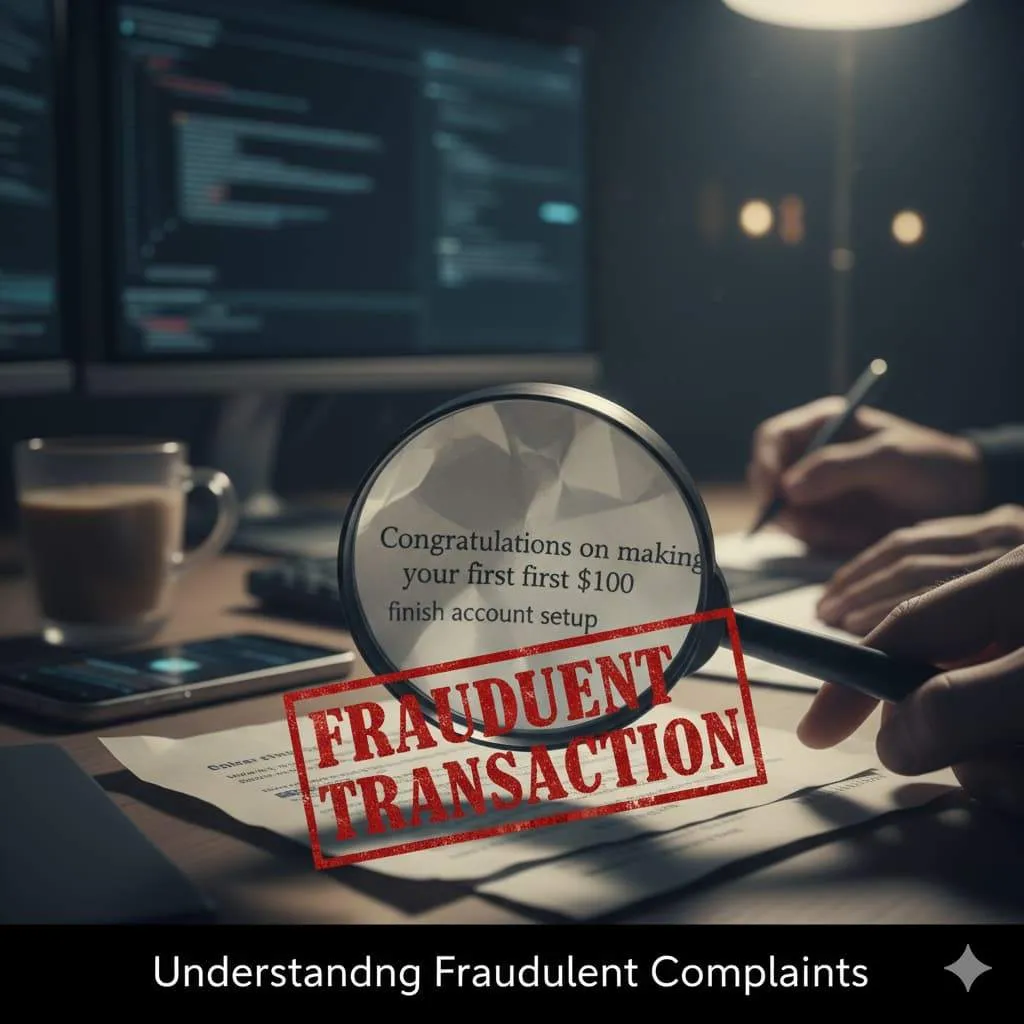
Understanding Fraudulent Complaints: Is Facebook India Operating a Widespread “Cheating Activity”?
The digital landscape, while full of opportunity, often presents perils. It is vital to understand fraudulent complaints to navigate this space. Recently, someone filed a complaint against Facebook India (Facebook India Online Services Private Limited), highlighting a widespread issue. An email notification promises a $100 payout, but it leads to sensitive account setup demands. This situation isn’t just about a small transaction. It concerns the conduct of a major company. It also involves corporate accountability and the role of Indian regulatory bodies.
A Notification That Raises Red Flags
The core of the grievance, filed by Yogi M. P. Singh Mahesh Pratap Singh on November 20, 2024, centers on a suspicious email. Understanding requires examining this message, seemingly from the official email address notification@facebookmail.com, which congratulates the recipient on earning their “first $100” and urges them to “finish account setup to get paid.” In fraudulent complaints, understanding the tactics used is crucial.
This “setup” requires:
- Entering a payout method using banking or payment information.
- Verifying tax information.
A user perceives this as a legitimate plea from a trusted platform, believing wholeheartedly in the authenticity of the message.
Yet, a skeptical observer sees it as a tactic typical of a phishing scam, where malicious actors prey on unsuspecting individuals.
The scam lures users with a tantalizing promise of money, enticing them to take action without a second thought, while subtly aiming to harvest their sensitive financial and personal data.
As the intricacies of this deceit unfold, the complainant demands that Facebook provide a comprehensive explanation regarding the source and reason for this specific email, insisting on transparency to protect users from potential harm and urging the platform to take responsibility in keeping its community safe from such nefarious schemes.
The Serious Questions of Corporate Accountability
The grievance transforms from a simple transaction complaint into a broader challenge, highlighting significant concerns about the overall corporate governance practices in the realm of digital platforms. It questions the legitimacy and regulatory oversight of Facebook India itself, raising alarms about potential malpractices that could undermine consumer trust and public accountability.
The complainant raises pointed questions for the Department of Corporate Affairs (DCA): How effectively is the DCA monitoring the practices of tech giants operating within the country? Are there adequate mechanisms in place to address complaints from users?
Furthermore, what steps are being taken to ensure transparency in the company’s operations and decision-making processes? These inquiries reflect a growing demand for stricter compliance and ethical standards in the rapidly evolving landscape of social media and digital commerce.
1. The Legal Double Standard
Facebook India is a registered private company. The key question is whether the Department of Corporate Affairs permits registered companies to send misleading emails. Can they send fraudulent messages to “innocent and gullible people in the country?
The complaint suggests that a legally recognized entity should not tolerate such an action if it is indeed fraudulent. This understanding is essential in recognizing how fraudulent complaints affect public perception.
2. Tolerating “Cheating Activities”?
The complainant directly challenges the DCA. They ask: How can the Department of Corporate Affairs allow Facebook India to proliferate its cheating activities? Why is it providing legal recognition, despite the presence of fraudulent complaints?
This line of questioning implies that someone engages in fraudulent activity as part of a known pattern. The government body responsible for corporate registration and compliance either tolerates or ignores these actions. This illustrates the importance of understanding fraudulent complaints in this context.
3. The Call for an Investigation so Understanding Fraudulent Complaints
The grievance concludes with a serious accusation: “There is significant evidence of the illegal activities of Facebook India. It is most unfortunate that such a widespread issue has gone largely unaddressed.
Despite the mounting evidence, corrupt staff within the Department of Government of India are not taking appropriate action against Facebook India, allowing these unethical practices to persist unchecked.
This inaction not only undermines the integrity of the governmental oversight but also raises concerns about the broader implications for social media regulation and user safety.
It is crucial for the authorities to take this matter seriously and ensure that justice is served, restoring public trust in both the platform and the accountable bodies responsible for safeguarding the rights of citizens.
This paragraph directly appeals to the public and regulatory authorities. It urges them to investigate not just the company but also the system of oversight itself. Understanding fraudulent complaints becomes essential as it can lead to broad implications for corporate governance.
Why This Matters to Every Indian User i.e. Understanding Fraudulent Complaints
This grievance, currently marked as “In Process” with the complaint number 6512534, goes beyond a mere attempt to recover money. It highlights the urgent need for transparency and stricter regulation over major technology companies operating in India.
- Financial Safety: Such tactics expose users to potential fraud, identity theft, and financial loss.
- Regulatory Failure: It suggests that regulatory bodies like the DCA may not be enforcing the necessary ethical standards. They also might not be enforcing operational standards for registered companies.
- Public Trust: It erodes public trust in technology platforms used daily. It also impacts trust in government institutions designed to protect them.
We need answers from Facebook about the source and intent of the $100 email. More importantly, we need a clear response from the Department of Corporate Affairs. They need to assess the conduct of Facebook India. It must align with the standards required of a legally registered Indian company.
What do you think? Have you or anyone you know received similar suspicious notifications from platforms like Facebook? Share your experience in the comments below.


Facing a similar challenge? Share the details in the box below, and our team of experts will do their best to help.